
Vault audit protocol

Proof the collectible is still on the shelf

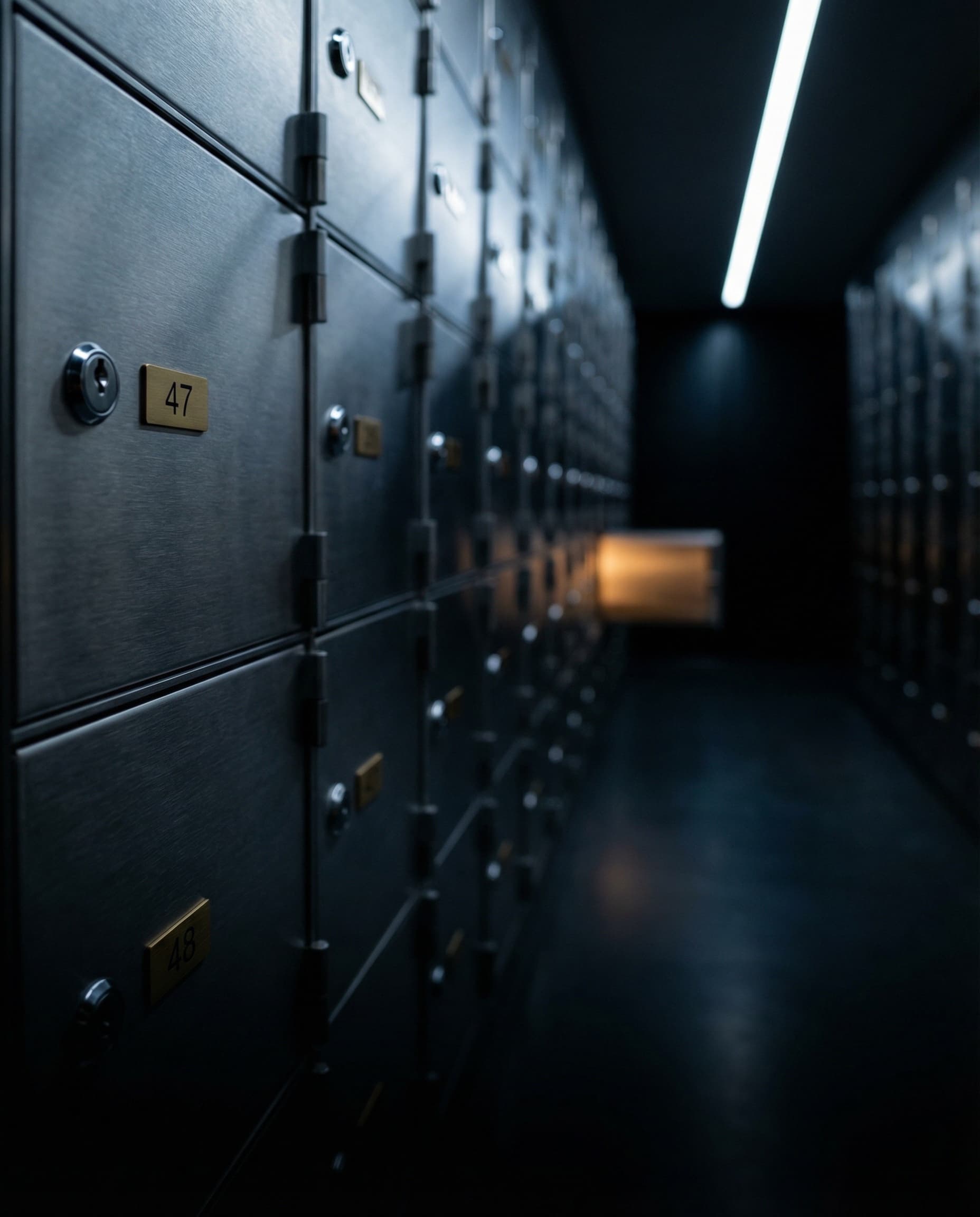
Independent auditors scan sealed slabs in the vault and sign what they find, so a marketplace can check every wrapped item without taking the platform's word for it.

Sealed shelf, live

4 of 24 wrappers on camera

02 The problem

Today the only proof is the platform's own word

When you buy a fraction of a wrapped card, you trust that the vault still holds it. The evidence is whatever the platform chooses to post about itself.

What platforms offer now

The platform's word

  • Staff photograph their own vault, on their own schedule.
  • A photo carries no link to the token you hold. It could be any slab, from any day.
  • If the item is gone, nobody who vouched for it loses anything.
  • A marketplace has nothing it can query before it lets a wrapper trade.

What a self-published photo proves

That someone, at some point, held a slab that looks like this one in front of a camera.

What Vaultproof adds

Outside proof, signed and bonded

  • A randomly drawn auditor, not the platform, scans the sealed slab on its shelf.
  • Each scan becomes a signed attestation tied to the wrapper's mint, cert number and image hash.
  • The auditor stakes VPRF behind every signature and loses it if a later audit contradicts them.
  • One registry answers for every wrapper: last audit, insurance, chain of custody.

Latest attestation in the registry

Cert
Image hash
Signed by
Last audit

03 How it works

Four steps from shelf to signature

The vault seals and records each item. A stranger with money at stake checks it. The result lands on chain where any marketplace can read it.

NFC seal on the sleeve

Item
Cert
Mint
Image hash
Shelf
Last capture
  1. 01

    Seal the slab

    The vault puts each graded slab in a sleeve with a tamper-evident NFC seal and seats it in a fixed slot on locked shelving. Break the seal and the tag stops answering.

  2. 02

    Capture on a schedule

    Shelf cameras photograph every slot at set times. Each capture is hashed, so a later image can be checked against the reference one.

  3. 03

    A random auditor scans

    The protocol draws a sample of wrappers and assigns it to an auditor who has staked VPRF. They read the seal and the cert in person. Nobody checks a wrapper they signed last time.

  4. 04

    Sign the attestation

    A matching scan becomes a signed attestation tied to the wrapper's mint, cert number and image hash. A mismatch gets flagged instead, and the wrapper stops trading.

04 Live registry

The newest attestations, as a marketplace sees them

Every wrapper shows its last audit and insurance status. Sign an attestation in the console and that wrapper moves to the top of this list.

Reading the latest attestations from the registry.

A wrapper not audited within 60 days, or flagged by an auditor, is lapsed. Marketplaces block it from trading.Open the console

06 Side by side

Self-published photos versus Vaultproof

No marketplace can credibly audit itself. Here is what changes when the check comes from outside.

How self-published vault photos compare with Vaultproof attestations
QuestionSelf-published photosVaultproof
Who checks the shelf?The platform's own staffAn auditor drawn at random, who never checks their own last signature
What ties it to the token?Nothing. A photo names no mint addressMint address, cert number and image hash in one signed record
How current is it?Whenever the platform last postedEvery wrapper shows its last audit date and lapses after 60 days
What if it is wrong?Nobody pays for a misleading photoThe signing auditor's stake is slashed when a later audit contradicts it
Can a marketplace act on it?Only by reading posts by handOne registry query per wrapper, with trading blocked once an attestation lapses

Run an audit yourself

Draw a sample as auditor Maren Idowu, scan a sealed slab and sign the attestation. It shows up in the registry above.

Open the console